The Object That Gets Better When You Stop Treating It Carefully
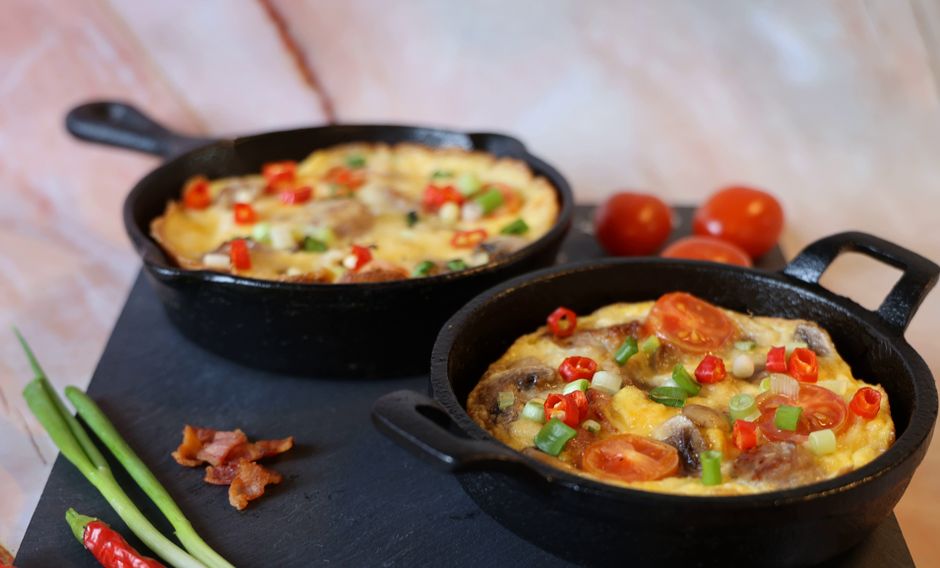
There's a cast iron pan in my kitchen that I inherited from someone who used it for thirty years before me. It's black in a way that new cast iron isn't — not the factory black of a fresh seasoning, but something deeper, built up over decades of use. It cooks better than any pan I've bought new. Not because of the material, which is the same. Because of the use.
This is the category of object I find most interesting: the thing that improves through use rather than despite it. The thing you're supposed to stop treating carefully and start actually using.
The Seasoning Problem
New cast iron comes with instructions about how to season it, how to care for it, what not to do. Don't use soap. Don't let it soak. Dry it immediately. The instructions are correct, but they create a relationship with the object that's about preservation rather than use. You're protecting the pan instead of cooking with it.
The pan I inherited doesn't need that kind of protection anymore. It's past the fragile stage. The seasoning is so deep and so established that it can handle things a new pan can't. It's been through enough that it knows what it is.
There's something in this that applies to other objects. The leather bag that gets better with use. The denim that fades into something more interesting than it started. The wooden cutting board that develops a patina from years of contact with food and oil and water. These objects have a relationship with time that's different from objects designed to resist it.
What Makes an Object Improvable
Not all objects improve with use. Most don't. Most objects degrade — the plastic gets scratched, the fabric pills, the finish wears off. The objects that improve are the ones made from materials that respond to use in a particular way: they absorb, they develop, they record.
Cast iron absorbs fat and heat and builds a cooking surface that's specific to how it's been used. Leather absorbs oil from your hands and develops a patina that's specific to how you've carried it. Good denim records the way you move — the fades appear where your body bends, the wear patterns are a map of your habits.
The Brushed Past blog has been writing about this in the context of painting materials — the way a well-used brush develops a character that a new brush doesn't have. The same principle. The material records the use.
The Relationship With the Object
What changes when you stop treating an object carefully is your relationship with it. When you're protecting something, you're always slightly anxious about it. You're thinking about what might go wrong. When you're using something, you're thinking about what you're making with it.
The pan I inherited doesn't make me anxious. I use it hard. I cook things in it that I wouldn't cook in a new pan. And it's better for it. The relationship is different — less precious, more functional, more honest.
I think about this when I'm thinking about what to make at Calitoy — the difference between objects designed to be preserved and objects designed to be used. The ones worth making are the ones that get better with use. The ones that develop a relationship with the person using them.
The Objects Worth Buying
If you're going to spend money on something, spend it on the thing that improves. Not the thing that's impressive when it's new — the thing that's better in ten years than it is today. That's a different category of object, and it's harder to find.
The markers are: natural materials that absorb and develop. Construction that's meant to be repaired rather than replaced. A design that doesn't depend on novelty — that's as useful in ten years as it is today. And a maker who understands that the object's life doesn't end when it leaves the workshop.
The Risen Today blog has been writing about morning routines and the objects that anchor them — the things you reach for first thing in the morning. Those objects are almost always the ones that have been used enough to become familiar. The new thing is exciting. The used thing is reliable. Reliability is underrated.
The Calitoy Wares blog has been thinking about this — what it means to make things that are worth using for a long time. Not just durable. Improvable. That's the harder standard, and it's the one worth holding.
Stop treating it carefully. Use it. That's what it's for.