the thing that costs more than it should and you buy it anyway
you know when you buy something and you can't explain why it cost that much and you also can't imagine buying the cheaper version. not because you're being irrational. because you've held both and one of them is right and one of them isn't.

i've been thinking about this a lot lately. what makes an object worth what it costs. not in a philosophical way. in a practical, i-just-spent-too-much-on-a-notebook way.
the feel thing
there's a category of object where the price premium is entirely in the feel. not the durability, not the performance, not the features. just the way it feels in your hand. a pen that writes the same as a cheaper pen but sits differently. a bag that holds the same stuff but hangs differently. a knife that cuts the same but balances differently.
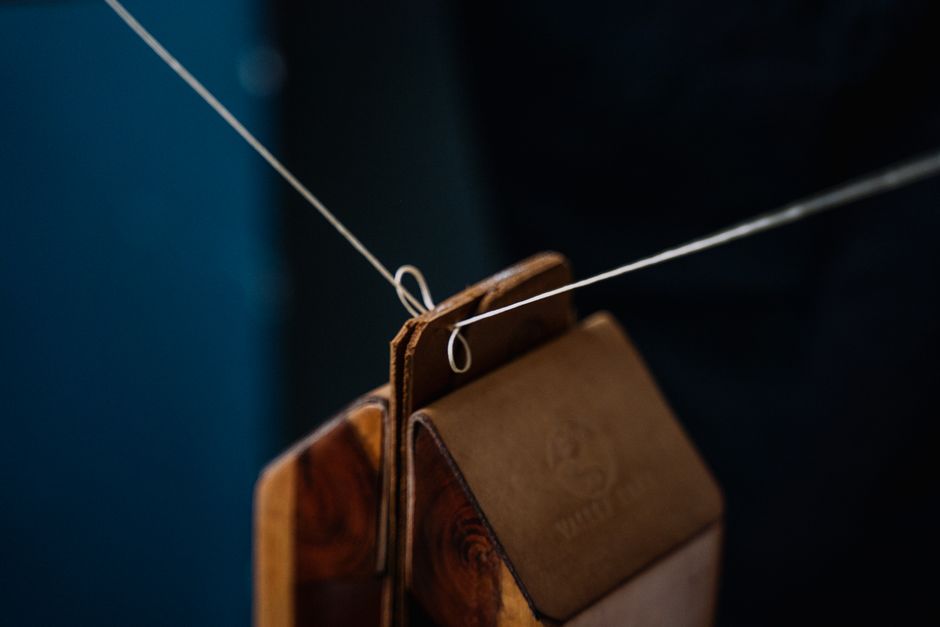
the calitoywares approach to this has always been: if the feel is right, the price is right. not because feel is worth any amount of money, but because the wrong feel is a constant low-level irritation that adds up over time. you use a pen every day. the wrong pen is a small annoyance every day. the right pen is nothing — it just works, and you stop thinking about it.
that's what you're paying for. the absence of friction.
the longevity thing
some things cost more because they last longer. this is the easiest case to make and the hardest to actually believe when you're standing in a store holding two versions of the same object.
the cheap version will probably work fine for a year. the expensive version will probably work fine for ten. the math says buy the expensive one. the brain says the cheap one is right there and it's fine and you can always upgrade later.
you never upgrade later. you buy the cheap one again.
i've done this with tools, with bags, with shoes. the handcraft world has a version of this with brushes and paints — the cheap materials that seem fine until you're working with good materials and realize what you were missing. the expensive thing isn't always better. but when it is, the difference is usually not subtle.
the rightness thing
this is the hardest one to explain. some objects are just right. not better than the alternatives in any measurable way. just right. the proportions are right. the weight is right. the way it sits on a shelf or in a pocket or on a desk is right.
you can't justify this to anyone. you can barely justify it to yourself. but you know it when you hold it, and you know when it's absent, and the absence is a kind of wrongness that you carry around with you every time you use the object.
the brand building conversation often comes back to this — to the idea that the best products aren't the ones with the best specs but the ones that feel inevitable. like they couldn't have been made any other way. that feeling is what you're paying for when you pay too much for something.
when it's not worth it
sometimes the expensive version is just expensive. the premium is in the branding, not the object. you can usually tell because the feel isn't actually better — it's just more expensive-feeling, which is a different thing. more expensive-feeling means heavier, or shinier, or more obviously branded. actually better means you stop noticing it.
the maker mindset here is to hold both versions before you decide. not to read the reviews. not to look at the specs. to hold them. your hands know things your brain doesn't.
if the expensive one is right, you'll know. if it's just expensive, you'll know that too.